What to Do in Nice Over a Weekend:
The Perfect Itinerary
Wondering what to do in Nice over a weekend, when this UNESCO-listed city packs world-class art, one of the finest flower markets in France and a bay open onto the Mediterranean Sea into a few walkable kilometers?
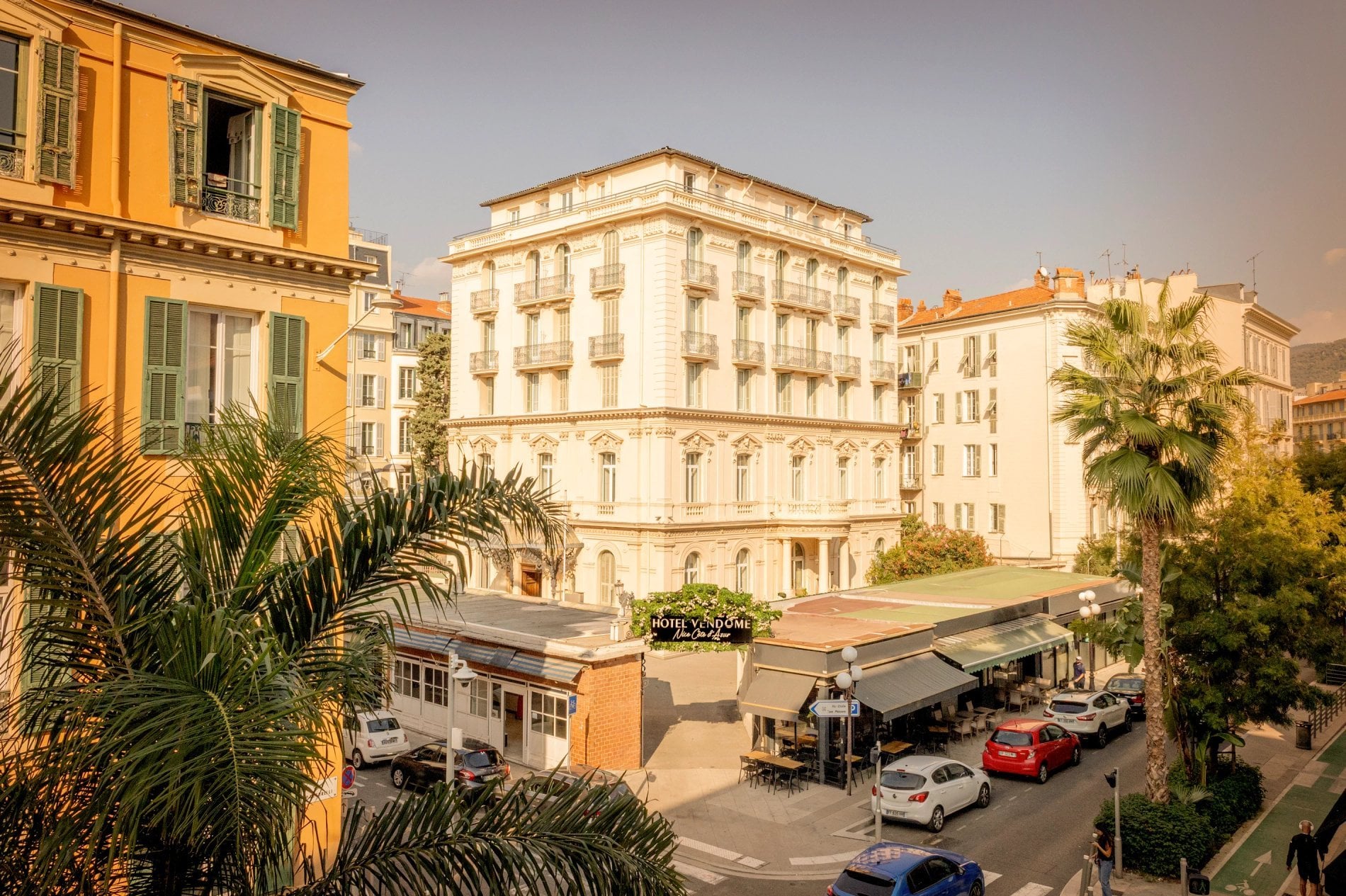
Good news: two days are enough to grasp the essentials of the French Riviera capital, provided you plan your trip well. The old town and the Cours Saleya market for fresh produce in the morning, panoramic views of Nice from Castle Hill, a stroll along the famous waterfront at sunset, then Henri Matisse and Marc Chagall the next day on the hills of Cimiez: Nice offers plenty of cultural experiences to explore in forty-eight hours. This travel guide sets out our full weekend itinerary, day by day, with the best things to do in Nice, popular attractions, local addresses and the must-see sights. Suggested address: the Hôtel Aria, a five-minute walk from the beach and seven from the train station, with everything close by on foot.
Planning a Weekend in Nice: What to Know First
A culturally rich town and a destination built for short breaks, Nice is made to spend a weekend in without rushing. Located on the French Riviera, in the south of France, the city sits between the sea and the first hills of the Alpes-Maritimes, which explains a lot of its charm. Everything can be visited on foot, the city centre and the waterfront are minutes apart, and the train and tram network means you can leave the car behind entirely. Since July 2021, Nice France has been on the UNESCO World Heritage List as the « Winter Resort Town of the Riviera ». The listed perimeter covers the Promenade des Anglais, the Quai des États-Unis, the Ponchettes terraces, Port Lympia, Mont Boron and the hills of Cimiez. In other words, most of what you will discover over this short stay belongs to a world heritage site, which alters the way you look at a Belle Époque façade or a row of palm trees. Credit where it is due: the climate here allows outdoor life in every season, even in January.
When to Visit Nice
There is no genuinely bad season for visiting Nice. Spring brings superb light and terraces that are still breathable. Summer concentrates the big events, late dinners and long evenings by the water, but also the crowds on the beautiful beaches of the Baie des Anges. In September the rhythm softens, the Mediterranean stays warm and the season's exhibitions are still running, which makes it one of the best weeks of the year for a short holiday. Winter keeps the mildness that made the Riviera famous among nineteenth-century visitors, with the Carnival of Nice and its flower battles as the highlight of February. That event draws travelers from all over the world, so book well ahead if those dates are on your list. Whatever week you choose, you will find plenty to fill a short break.
Getting Around During Your Trip
Forget the car. Nice Côte d'Azur airport is linked to the centre by tram line 2, and the Nice Ville train station welcomes high-speed services from Paris, Marseille and Lyon, with lines serving Place Masséna, Avenue Jean Médecin and Port Lympia. To visit Nice and the surrounding area, the coastal railway hugs the shoreline all the way to Monaco and Ventimiglia, with stops at Villefranche sur Mer, Beaulieu-sur-Mer and Cap-d'Ail. A regional train ticket costs a few euros and saves you the parking headache. Bike rental and the seafront cycle path give easy access to the shore, and the whole department is just as reachable by public transport, from the waterfront to the first mountain villages. A bike ride along the seafront is another fine way to get your bearings. Check the timetables the evening before if you are staying only a short while.
Day 1, Morning: The Old Town and the Cours Saleya
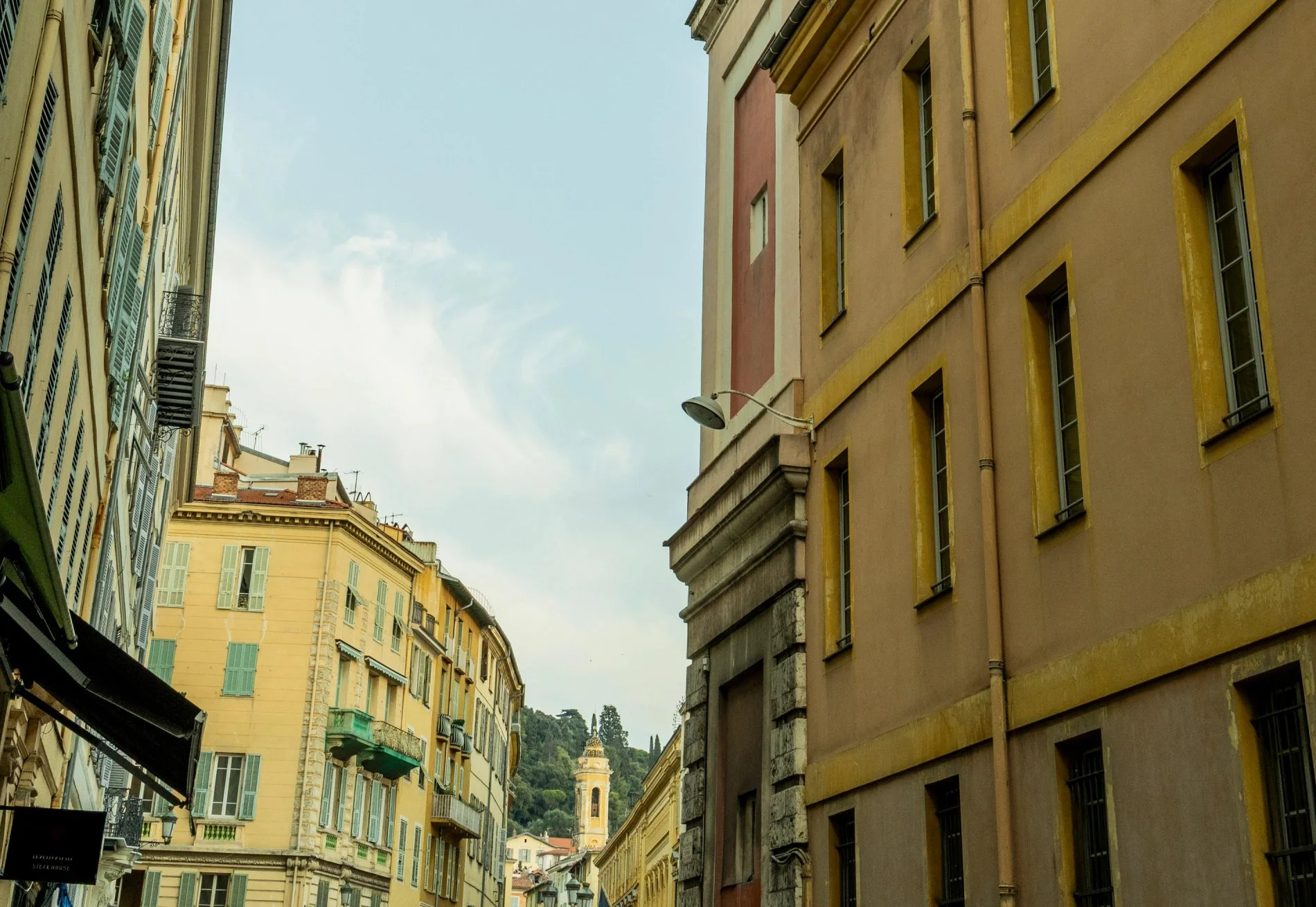
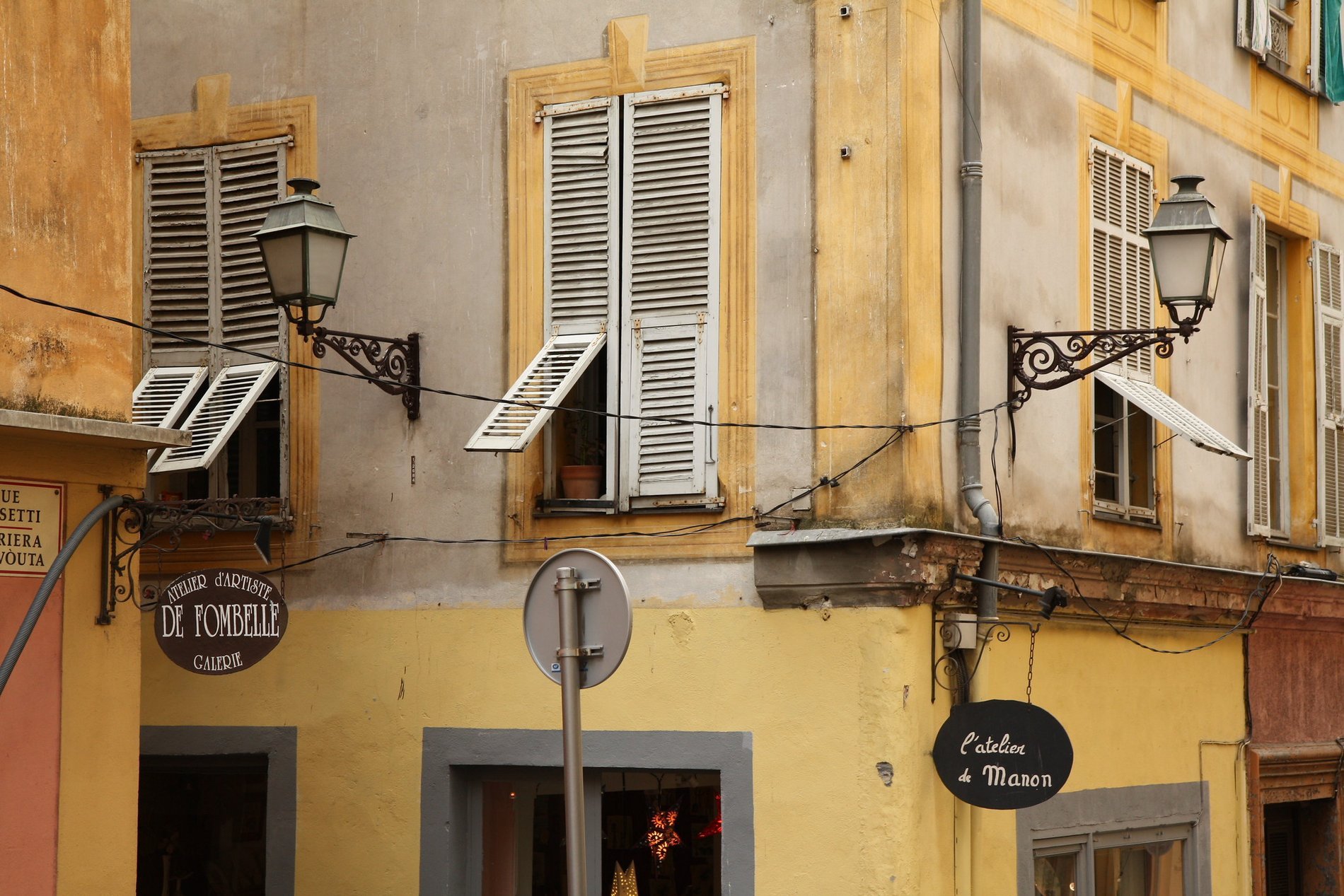
Start in the historic heart of Nice. This pretty old town is best explored without a map, its narrow streets filled with colorful buildings, ochre and yellow façades and laundry drying at the windows. The unmissable meeting point is the Saleya market. Every morning except Monday it hosts one of the finest markets in France, where flower stalls sit beside fruit, seasonal vegetables, olive oil, local wine and spices. On Mondays, antique dealers take over. Arrive early, around 8:30: the light is beautiful for photos, producers still have time to talk, and you avoid the crowds that arrive later. A good moment to taste your first socca, the chickpea pancake served scalding hot straight from the wood-fired oven.
Then push up into the upper streets of Vieux Nice. The main shopping lanes concentrate the tourist flow, but a few meters further on, Rue de l'Ancien Sénat hides the last wash house in the quarter, where Niçoise women once did their laundry. Keep an eye out at the corner of Rue Droite and Rue de la Loge: a cannonball is still lodged in the wall, a souvenir of the 1543 siege. That kind of detail tells the local history far better than any information panel, and exploring these lanes slowly is half the fun.
Place Rossetti, dominated by the baroque façade of Sainte-Réparate cathedral, deserves a pause. Step inside to admire the decorated interior, then treat yourself to an ice cream from one of the famous gelato makers on the square, known for their dozens of flavors. A few streets away, Palais Lascaris is the only historic palace in town open to visitors. This seventeenth-century Genoese building holds an incredible collection of antique musical instruments, set among monumental staircases and painted ceilings. Allow an hour, two if you love objects: we recommend booking a guide to catch every detail, then a light lunch on a shaded terrace.
Day 1, Midday: Castle Hill and Its Panoramic Views
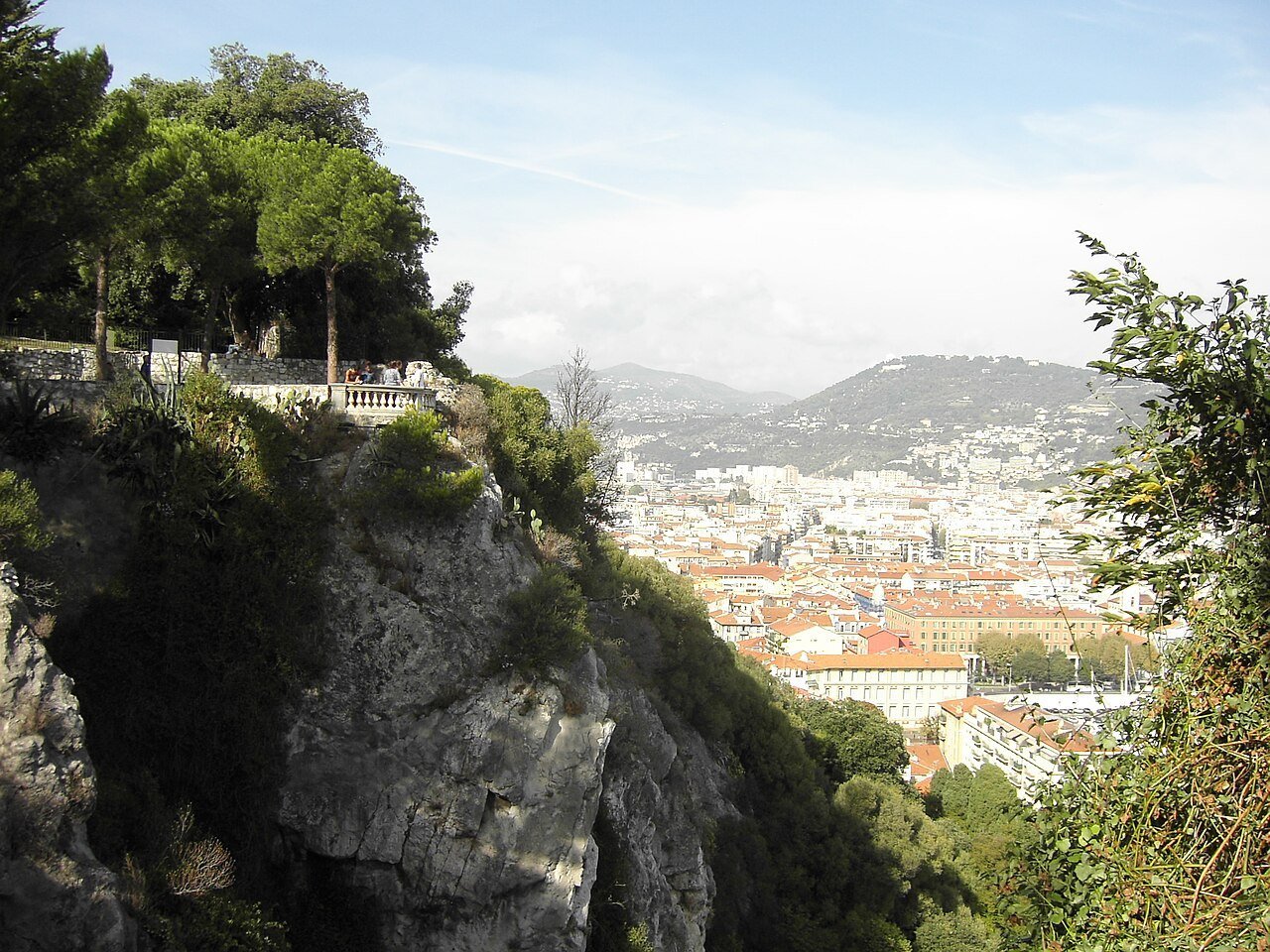
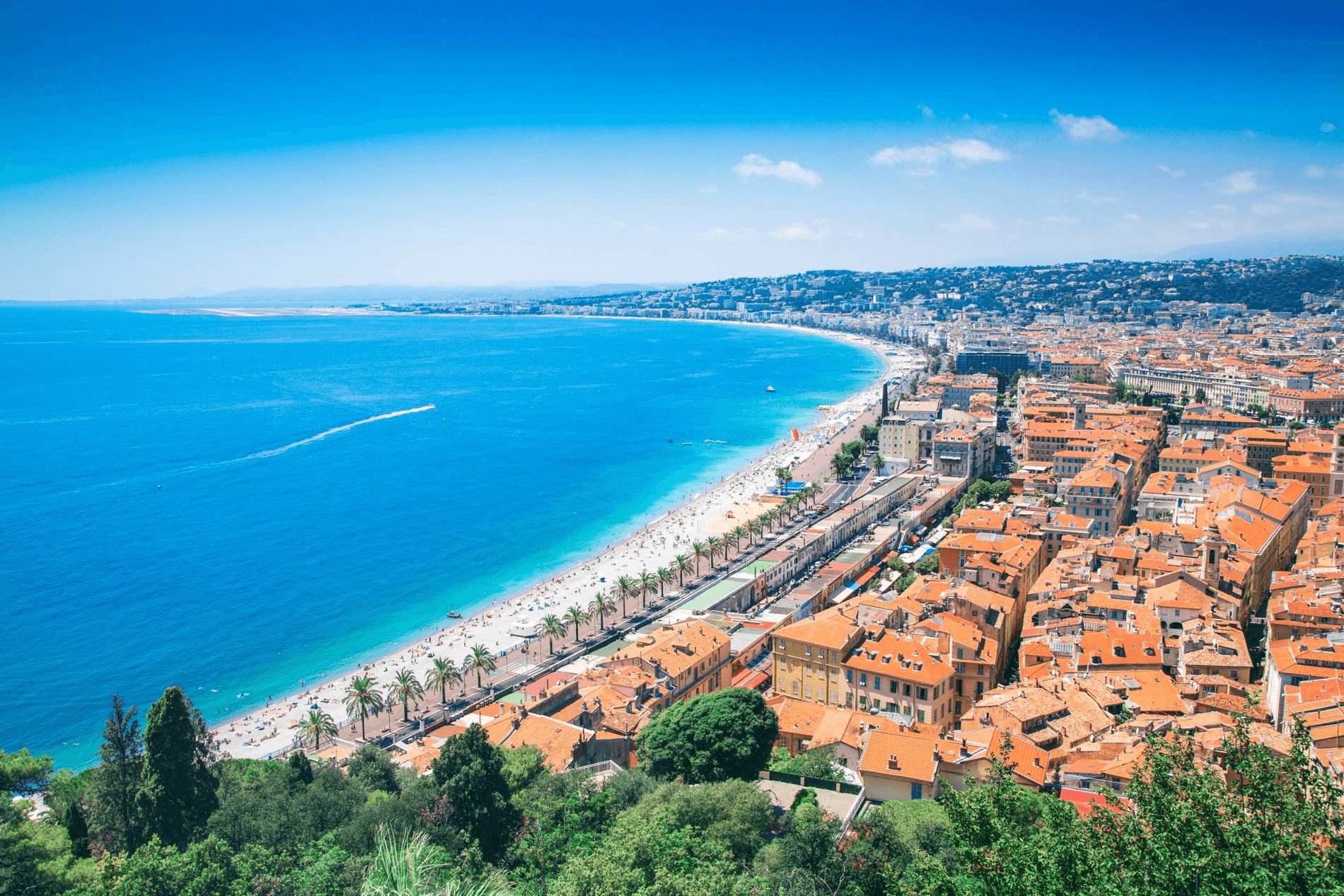
The medieval castle disappeared at the start of the eighteenth century, but the hill that still carries its name remains the finest viewpoint in Nice. Two ways up: the staircase that begins opposite the Quai des États-Unis, or the free elevator, tucked at the end of the quay below the Bellanda Tower. Halfway up, that round tower you spotted from the Prom' offers a first opening onto the bay. Keep climbing to the top and the panorama opens a full 360 degrees over Nice and the coastline, the rooftops of the old quarter, the port of Nice and the surrounding hills, with the first mountain ridges on the horizon. Sightseeing here is at its best in the morning, when the sun is behind you and the photos come out sharper.
The summit is laid out as a landscaped park, with an artificial waterfall, pine trees, play areas and shaded benches. A surprisingly calm and lovely spot in the middle of the city, popular with local families at the weekend and a good place to relax between two visits. Walk down the eastern side and you arrive at Port Lympia, a colorful basin lined with Sardinian façades, terraces and fishing boats. The quarter has been transformed since the light rail arrived: an art gallery, specialty coffee bars, design boutiques and independent shops. Continue to Place Garibaldi, one of the most elegant squares in Nice with its ochre arcades, before heading to the lively strip behind the harbor, now the favorite address of locals for an evening drink and one of the best spots to explore after dark. Boat trips leave from here for a tour of the bay, one of the most enjoyable activities of the whole trip.
Day 1, Late Afternoon: Promenade des Anglais and Place Masséna
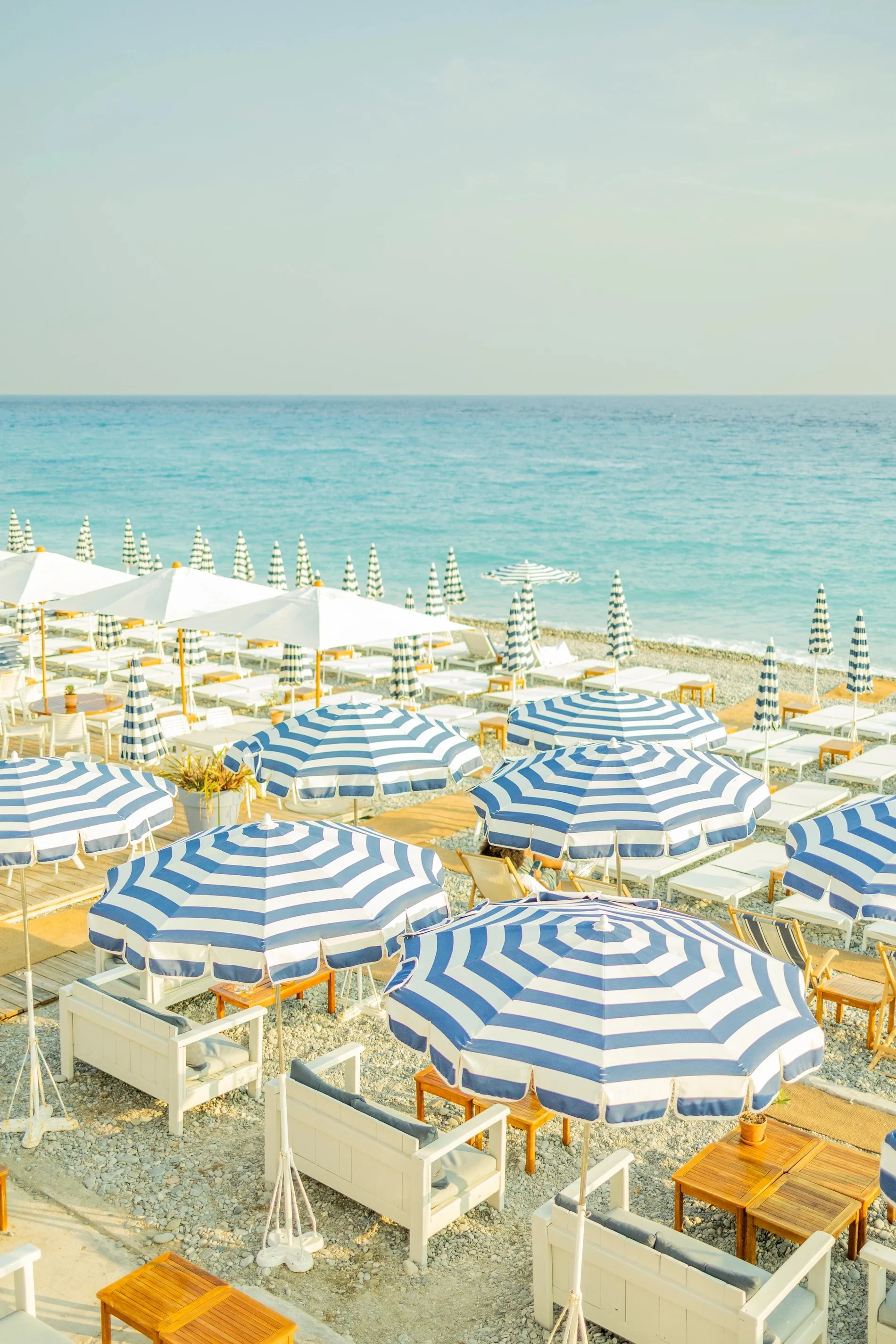
In late afternoon the low light transforms the whole seafront. This is the perfect moment for a walk along the famous Promenade des Anglais, which runs more than seven kilometers from Jardin Albert 1er to the western end of the bay, lined with palm trees the entire way. Its origin is worth knowing: in 1824, British winter visitors funded a modest path along the shore, the « Camin dei Ingles », to enjoy the sea air and give work to local people. Two centuries later the blue chairs have become a symbol everyone photographs, and the scene changes daily between runners, skaters, street musicians and people watching the waves. Below, the pebbly beaches stretch along the Baie des Anges, free public sections alternating with private beach clubs where you can rent a lounger and turn the afternoon into a proper beach day.
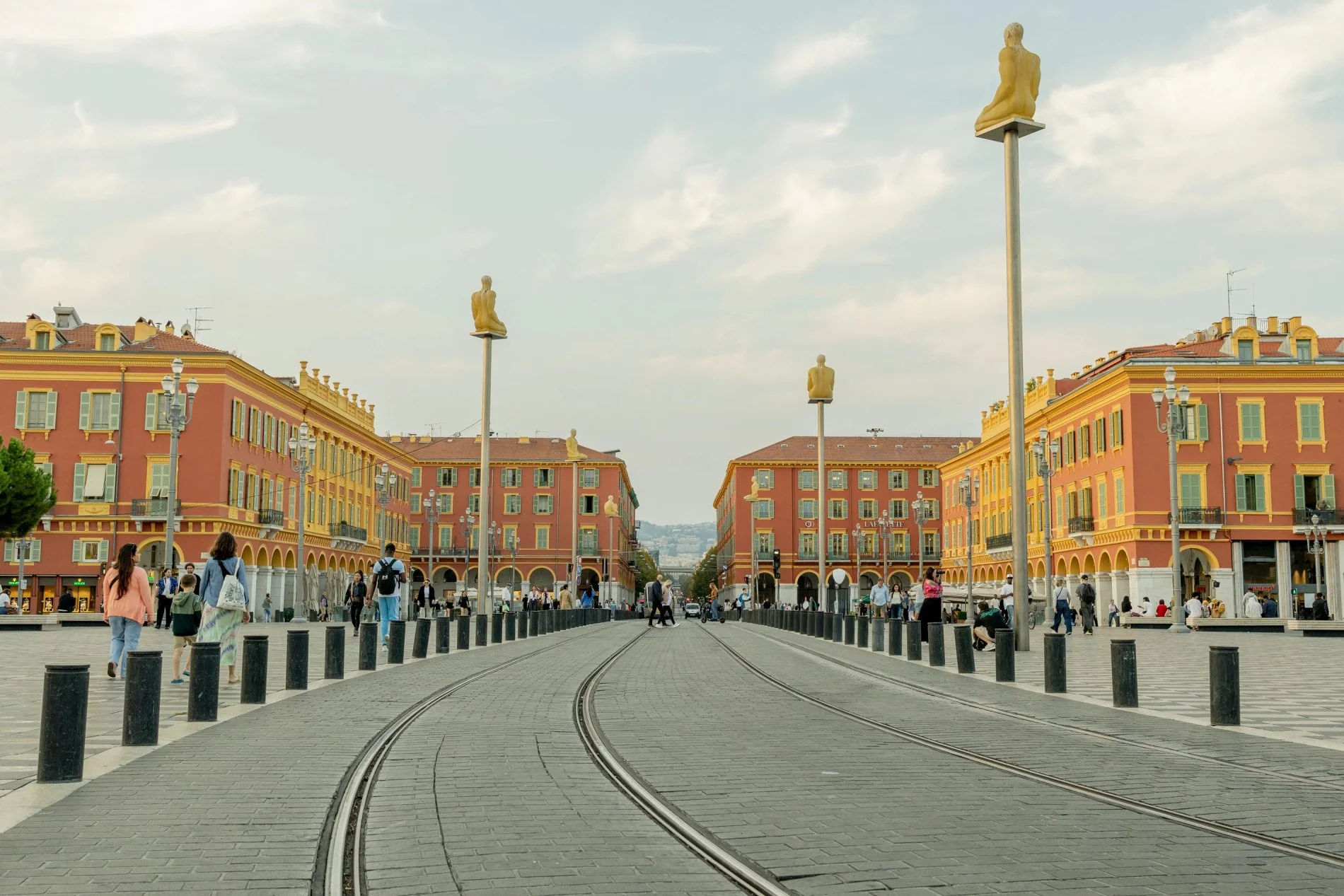
Then head back towards the main square, recognizable by its checkerboard of red and white paving and its ox-blood arcades. Above, seven statues perched on masts light up after dark. From there, the Promenade du Paillon unrolls its green corridor to the national theatre: themed planted beds, a water mirror that delights children in summer, play areas organized by age group. This axis crosses the whole centre of Nice and remains one of the most agreeable places to catch your breath, with a clear view back up to the castle.
Day 2, Morning: Cimiez, Matisse and Chagall
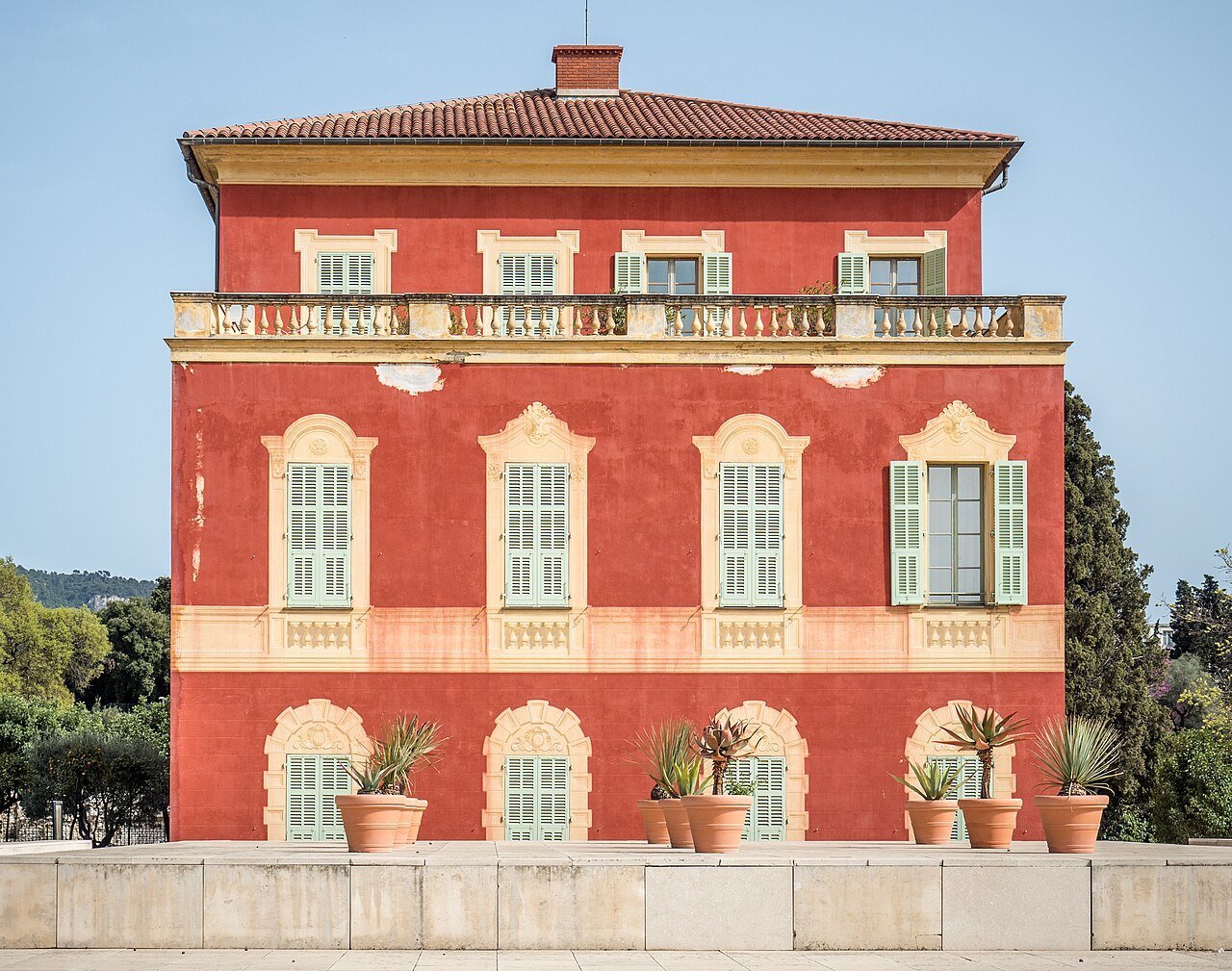
A complete change of atmosphere. Fifteen minutes from the centre by bus, the hill of Cimiez spreads out its olive groves, Belle Époque villas and the finest cluster of museums in Nice. The Matisse museum occupies a seventeenth-century Genoese villa with deep red walls, set in the Jardin des Arènes. The famous artist spent a large part of his life here, and the collection brings together donations made by the artist himself and later by his family: paintings, drawings, cut-out gouaches, personal objects. A rare look into how a body of work is built, not just at its results.
A few steps away, the archaeological site preserves the remains of the Roman city of Cemenelum, with its arena, its baths and its museum of archaeology. The neighboring Franciscan monastery holds a small museum and, above all, a terraced garden, one of the oldest in France, from which the view carries across the olive trees to the Mediterranean. Henri Matisse and Raoul Dufy are buried in the adjoining cemetery. Allow roughly two hours to combine both sites, a little more if you want to sit under the olive trees and simply enjoy the quiet.
On the way back down, stop at the Marc Chagall National Museum. The building was designed during the artist's lifetime to house the Biblical Message cycle, presenting his large formats in a light he chose himself, completed by stained glass windows and a mosaic to admire from the reflecting pool. Allow an hour and a half, and book your ticket online at the weekend, since the queue grows quickly by mid-morning. One useful note: the MAMAC, the museum of modern and contemporary art, is closed for renovation until 2029.
Day 2, Afternoon: Two Options Depending on Your Mood
Option One: Culture and Heritage
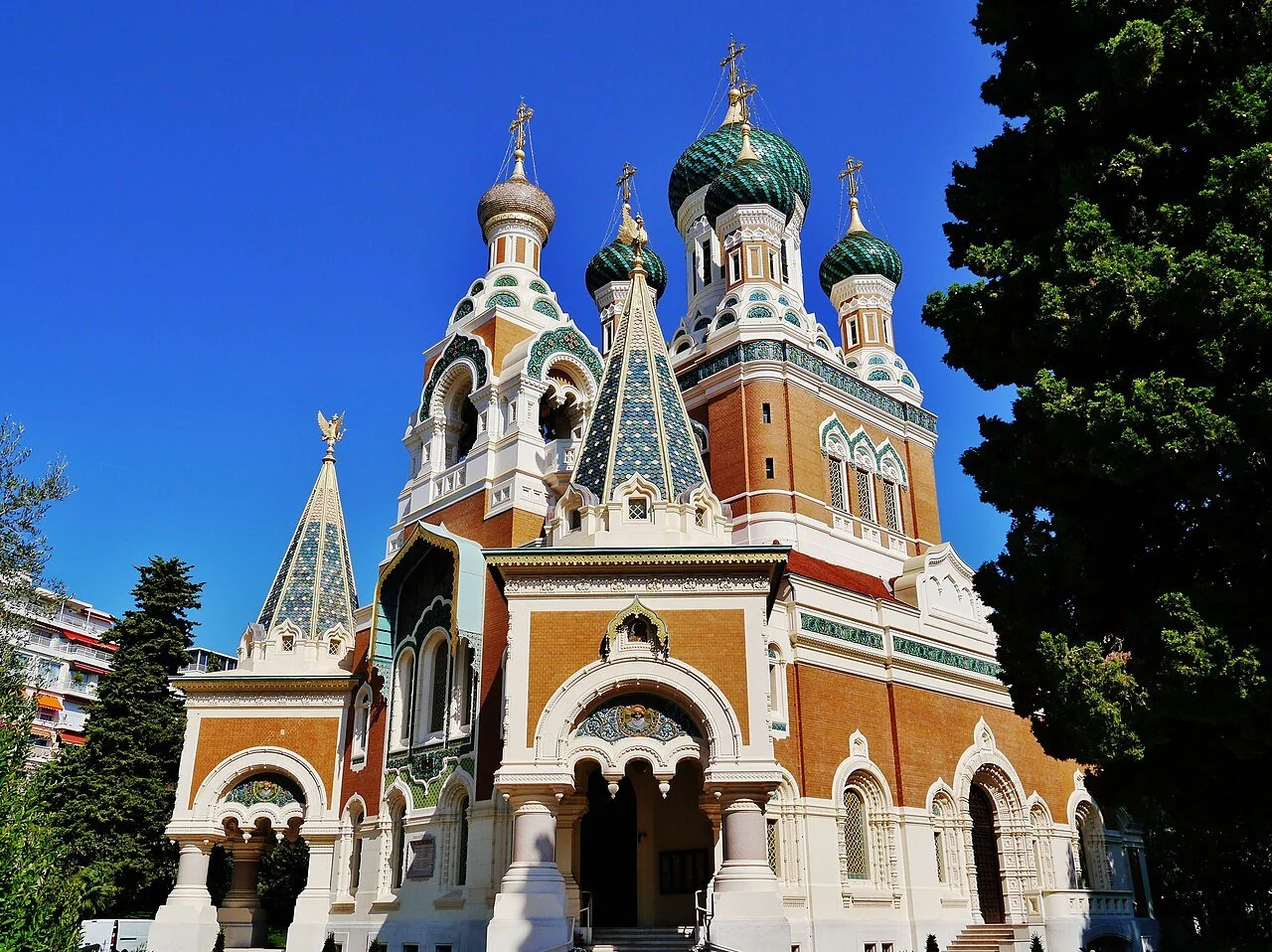
If you want to continue the art trail, the Russian Orthodox Cathedral of Saint-Nicolas is the obvious next stop. Its colored onion domes and polychrome brickwork tell the story of the Russian aristocracy on the Riviera at the turn of the twentieth century. Simple visits remain free, and the interior, heavy with icons and woodwork, deserves a few quiet minutes. Then move on to Villa Masséna, a Belle Époque palace set right on the seafront, whose collections trace Riviera life from the eighteenth century to the roaring twenties. Its listed garden, planted with palms and agaves, is open to all.
Art lovers can round things off at the Beaux-Arts Jules Chéret museum, housed in a former princely villa in the Baumettes quarter, and at the Charles Nègre photography museum, tucked into Vieux Nice, whose gallery programs consistently strong temporary exhibitions. A walking tour in a small group, run by the tourist office, links these places with a clear narrative thread and makes an excellent experience on a first trip. Several companies also run a food tour through the old town, combining street food, olive oil tasting and a glass of local wine: a delicious way of exploring the heart of Nice.
Option Two: Sea, Hills and Day Trips
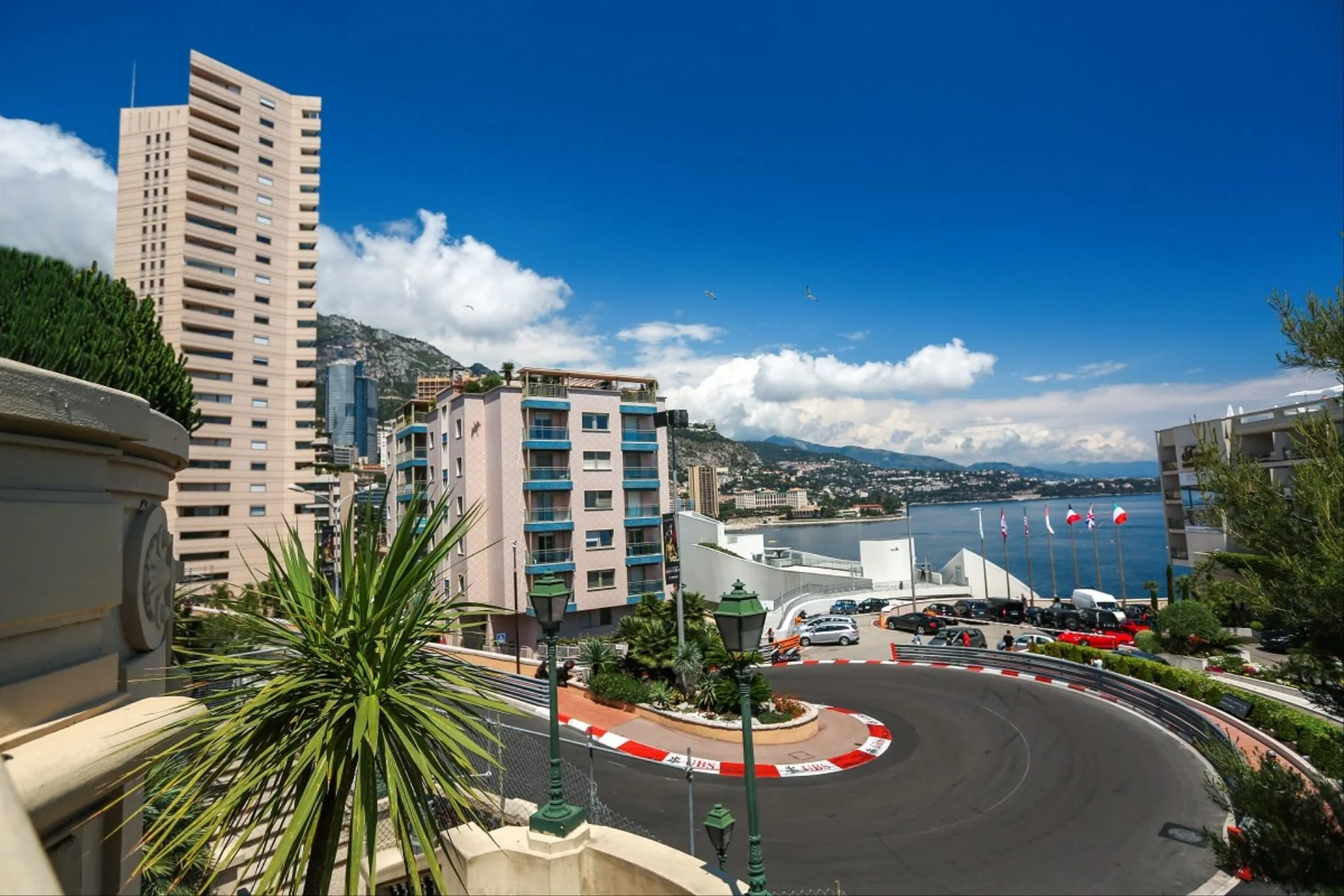
Another scenario: head for the coast. From the station, the train reaches Villefranche sur Mer in about ten minutes. The harbor, the ochre façades of the old village, the citadel and the covered Rue Obscure form one of the loveliest settings on the French Riviera, and the sandy beach sits just below the platform. On foot or by bus, the peninsula of Saint Jean Cap Ferrat extends the excursion with its coastal footpath and the Ephrussi de Rothschild villa and its nine gardens. Higher up, Eze village looks down on the coast from 400 meters, and Monaco Monte Carlo is less than thirty minutes away, with the palace, the old quarter and the casino district all within walking distance of the station.
Further east, Menton and its lemon-colored streets make a rewarding half-day, while Antibes and its Picasso museum, or Cannes and its Croisette, work just as well to the west. A boat tour along the stunning coastline is another fine way to see the villas and coves from the sea. To get some air without leaving Nice, Mont Boron unfolds a forest park of Aleppo pines crossed by walking trails, with breathtaking views over the harbor, the bay and, on a clear day, as far as Cap d'Antibes. The climb takes about an hour from the bottom, an ideal walk before the sun gets hot. Another Sunday classic we recommend: Saint Paul de Vence and the Maeght Foundation, in a beautiful setting of stone and olive trees, around forty minutes away by road.
Restaurants in Nice: Where to Eat Over the Weekend
Niçoise cooking is part of the local heritage, so much so that a label, « Cuisine Nissarde, le respect de la tradition », distinguishes around thirty places every year. It is the most reliable marker for choosing a restaurant in Nice without falling into a tourist trap. On the menu: socca, that chickpea pancake eaten standing up; pan bagnat, whose real version contains neither badly drained tinned tuna nor mayonnaise; petits farcis, pissaladière with its onion confit, and the true salade niçoise, which cheerfully ignores potatoes and green beans. Food and drink here blend French and Italian influences, so add a glass of wine from the nearby Bellet vineyard and you have a delicious introduction to local cuisine and to the local foods that define the region.
For lunch, the terraces of the Cours Saleya have the setting, the adjoining alleys the calm. The harbor quarter serves a more contemporary style of dining with tables facing the sea, and we recommend booking ahead at the weekend. In the evening, the old town concentrates wine bars and small kitchens, while the strip behind the quays draws a more local crowd. Wine tasting sessions and culinary workshops are easy to find if you want to learn more about the region, and service in these smaller addresses is usually warmer than on the main tourist streets. To finish the night, nothing beats a drink on a terrace, or an ice cream eaten while walking by the sea, facing a Mediterranean that is still warm.
Nice With Family, in Winter, or Around Its Events
A weekend in Nice works beautifully for family stays. The Promenade du Paillon lines up play areas and a water mirror, Castle Hill is reachable by elevator, the Voilier and Miami beaches have spaces set aside for children, and Parc Phoenix near the airport combines a tropical greenhouse, animals and themed gardens. Time outdoors follows easily after a museum visit, and the clear, shallow water of the bay makes swimming straightforward for younger visitors from June onwards. A delicious lunch on the beach, then an afternoon of sightseeing: the mix is easy to build here.
In poor weather or in the colder months, the cultural program takes over: Palais Lascaris, Beaux-Arts, the Matisse museum and Charles Nègre easily fill two days, and a spa break is another way to spend a rainy afternoon. The destination also hosts a dense calendar year-round, from the Carnival, listed as intangible heritage, to the big summer exhibitions, along with conferences and trade shows at the Palais des Expositions and the Acropolis, the Nice International Fair, and nearby fixtures such as the Cannes Film Festival and the Monaco Grand Prix. Check the agenda before you book, since these attractions fill the city fast.
Hôtel Aria, the Ideal Base for a Weekend in Nice
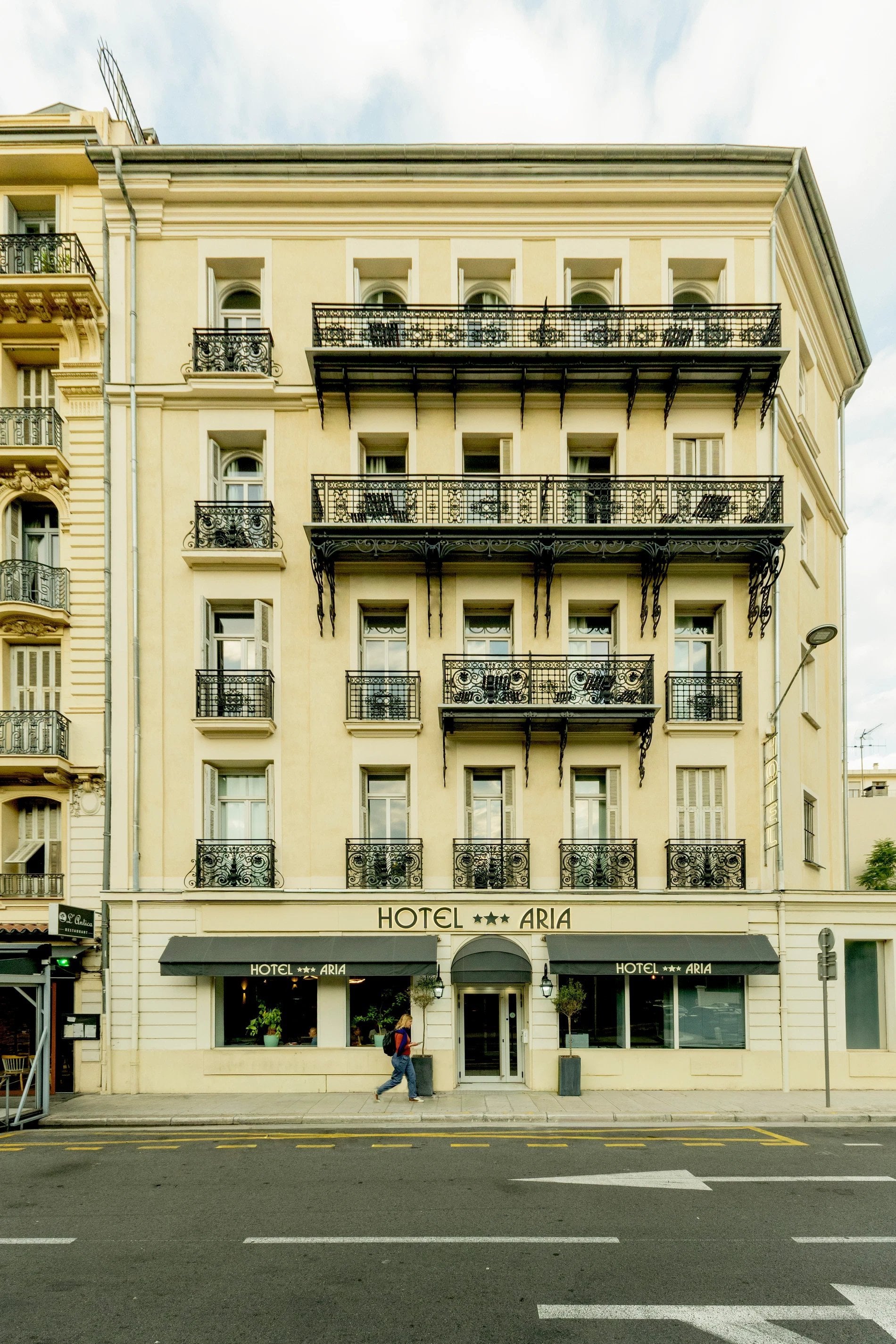
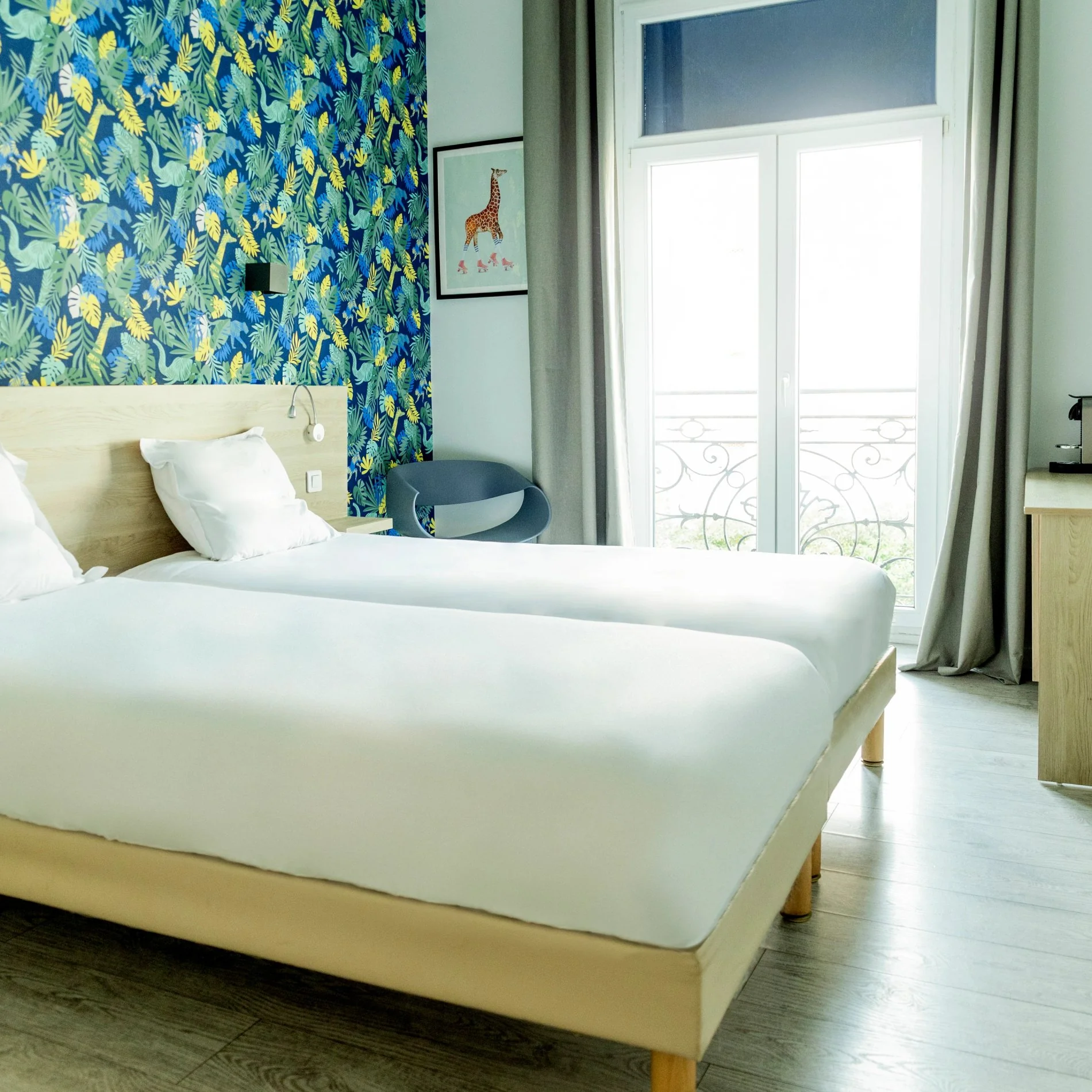
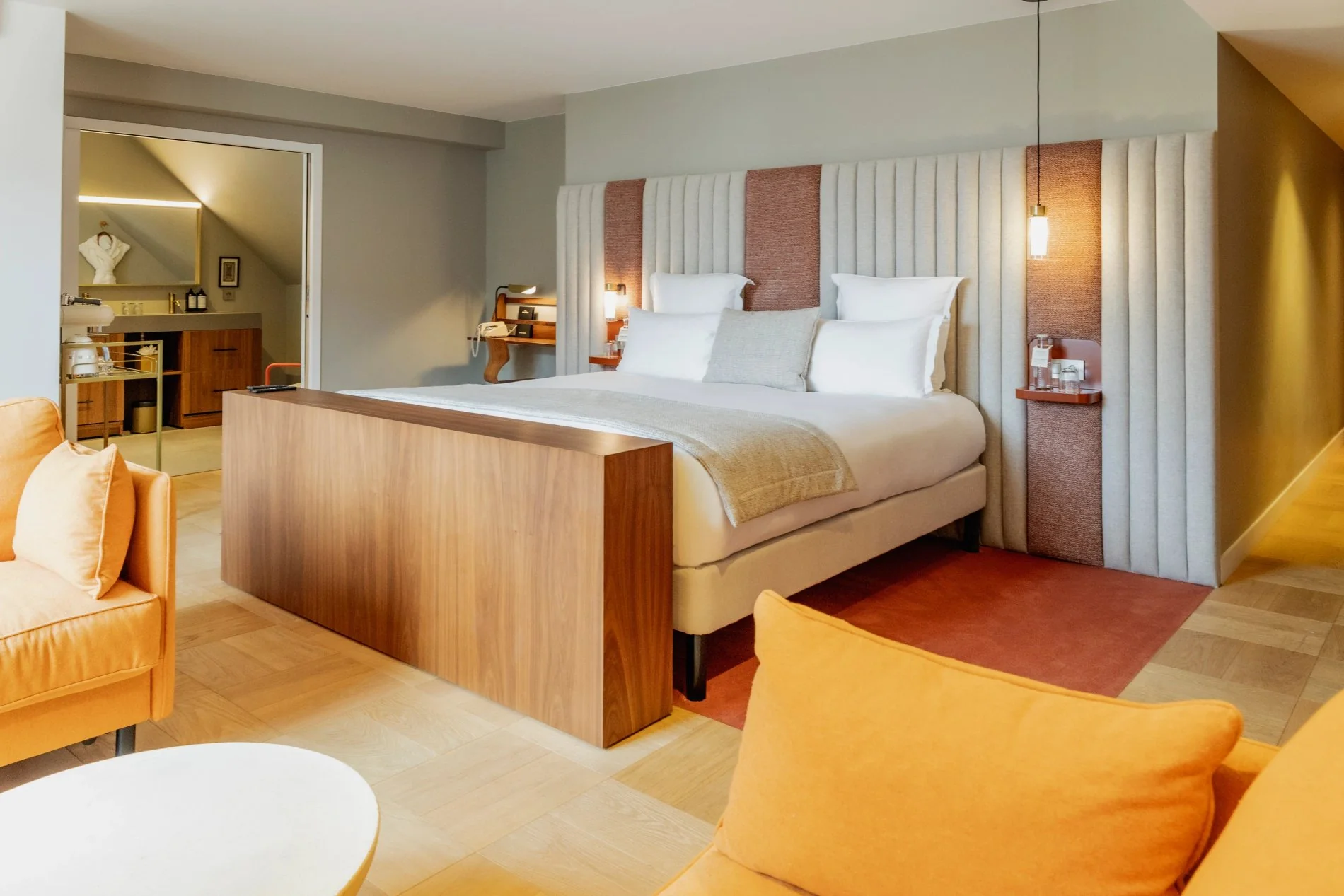
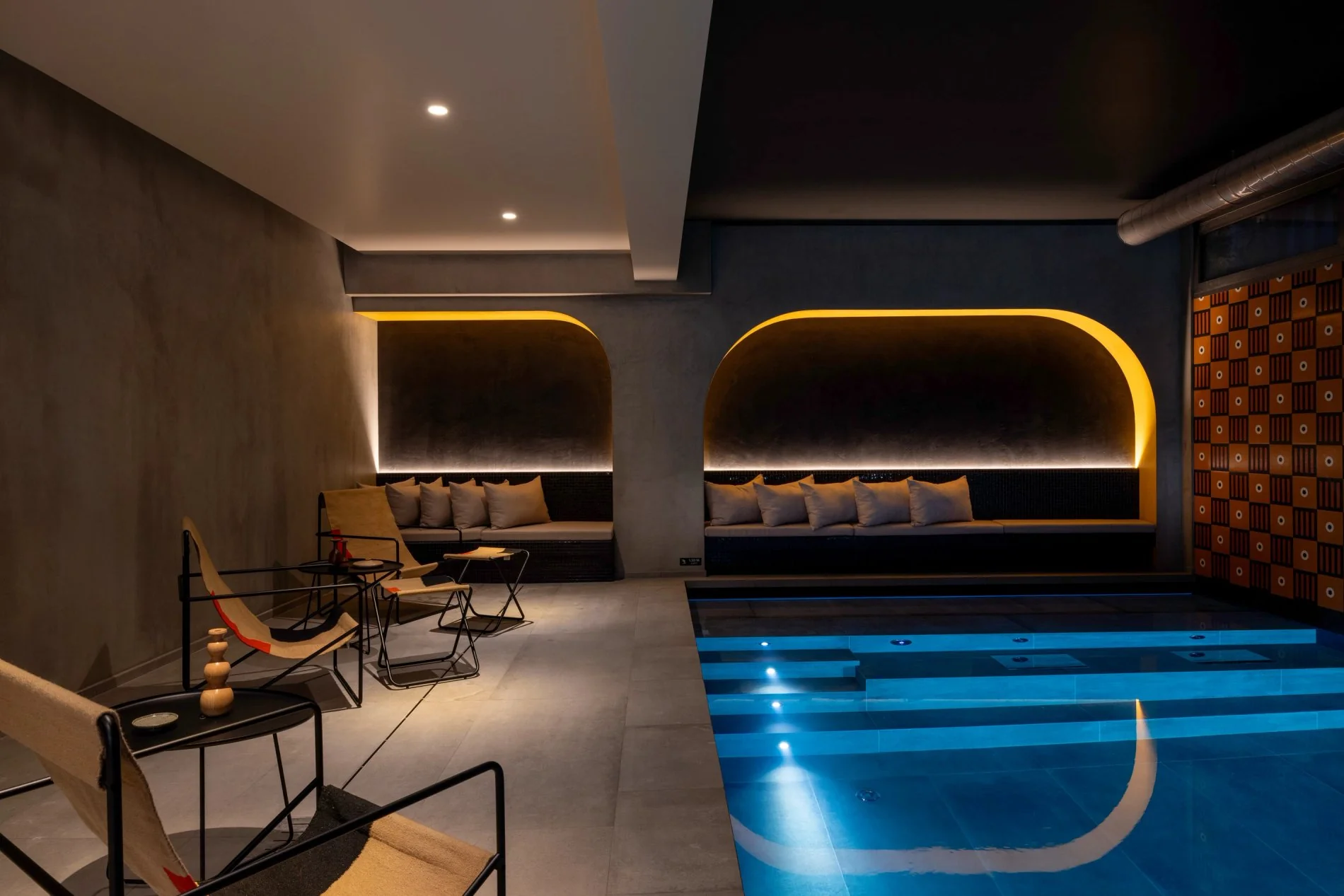
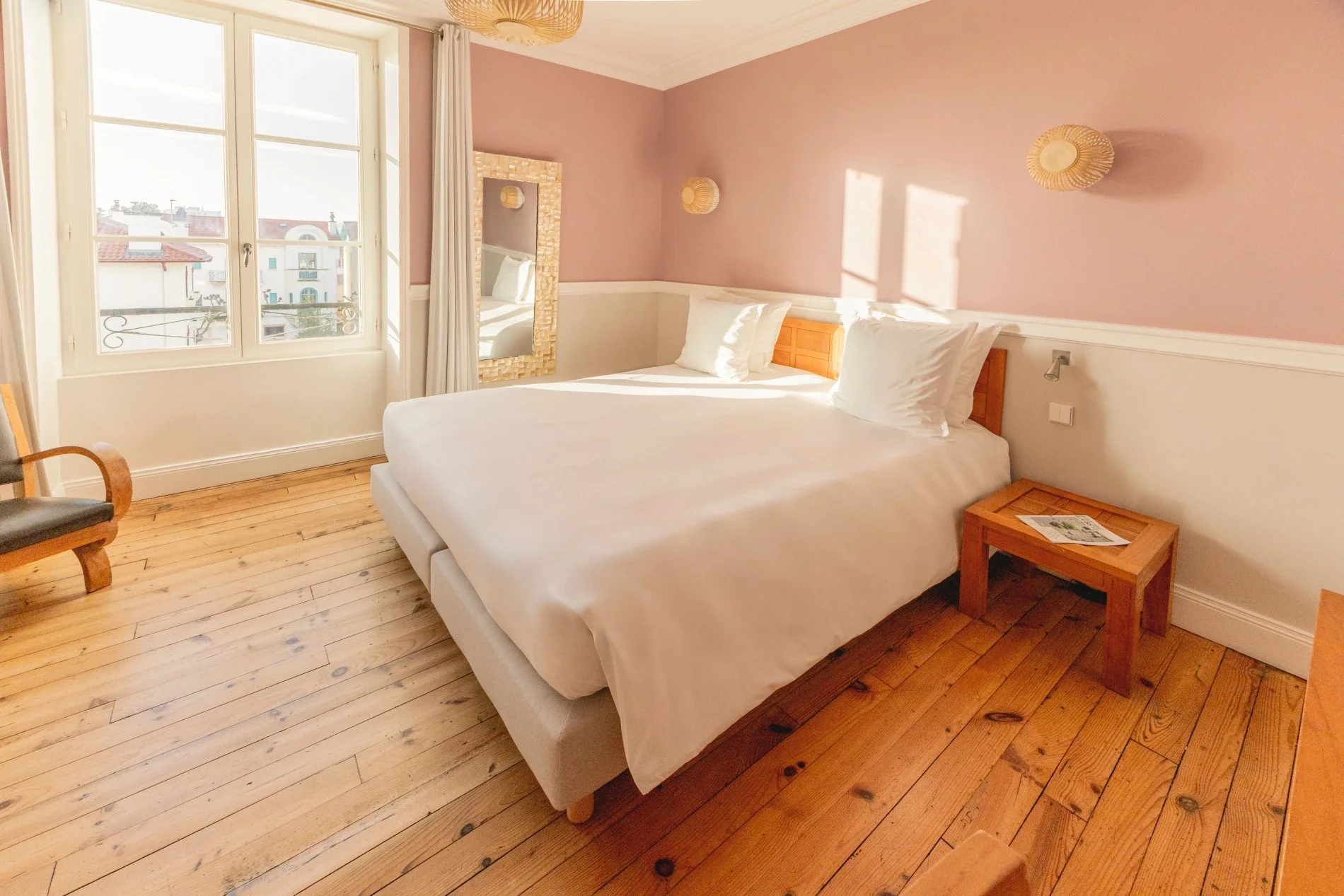
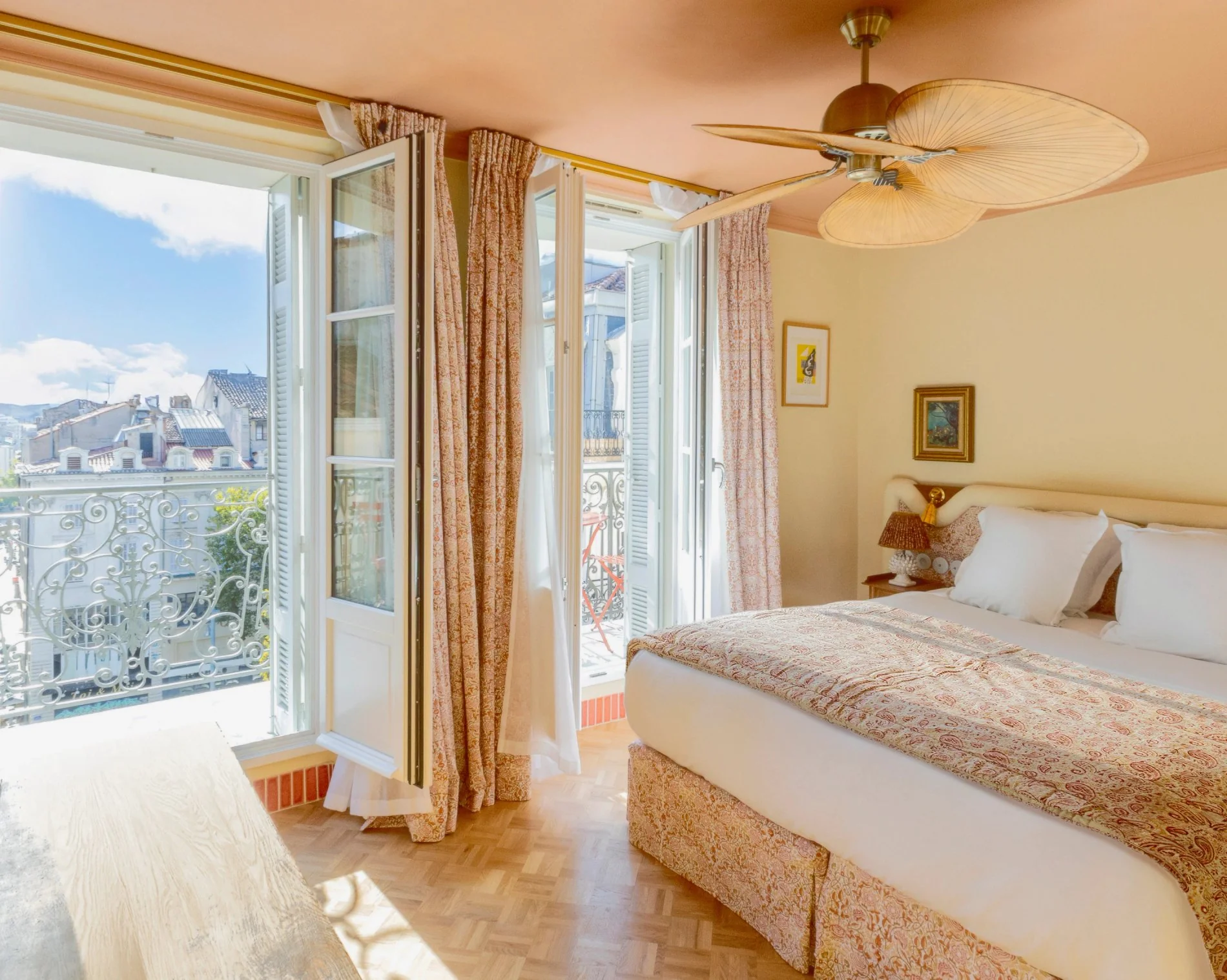
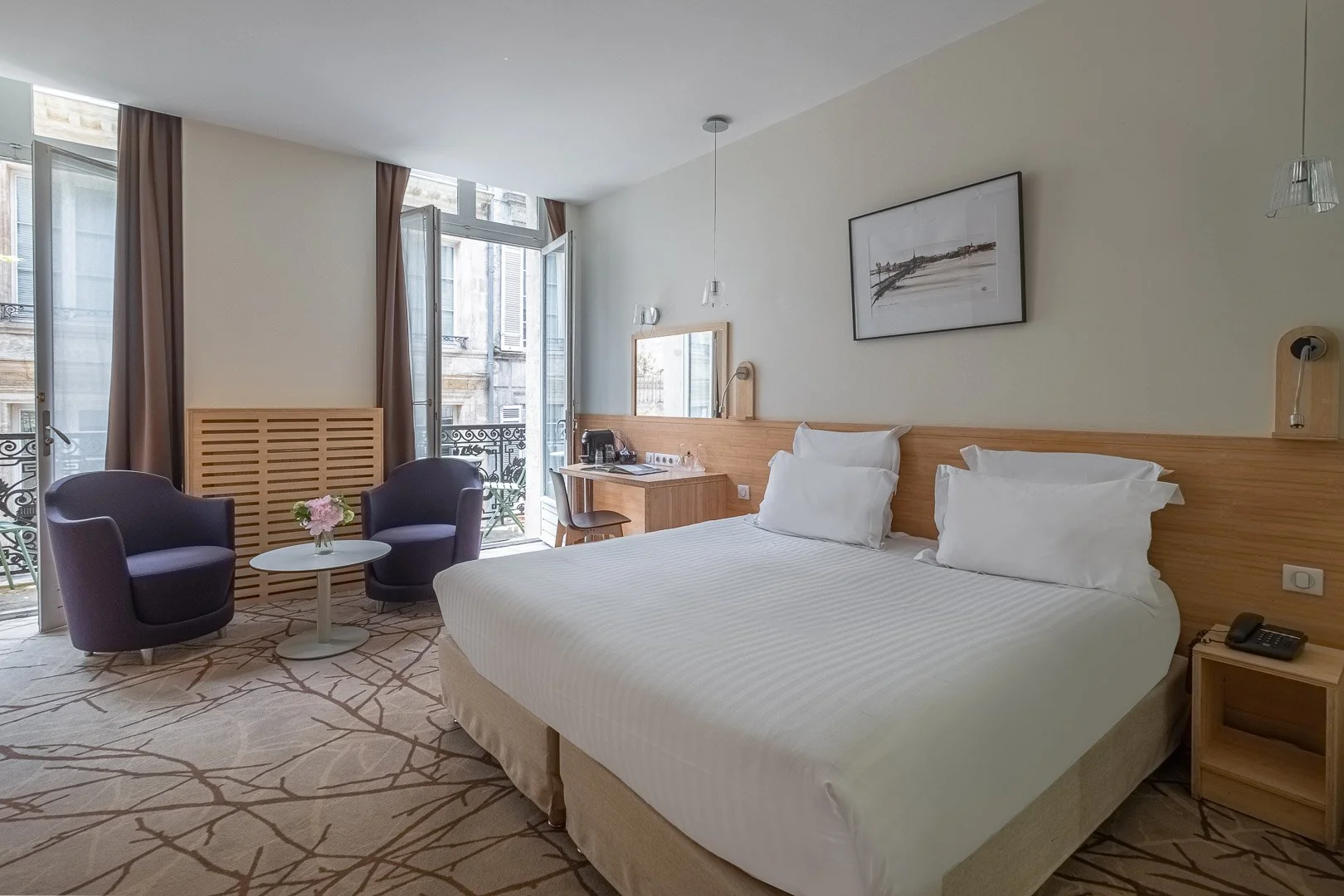
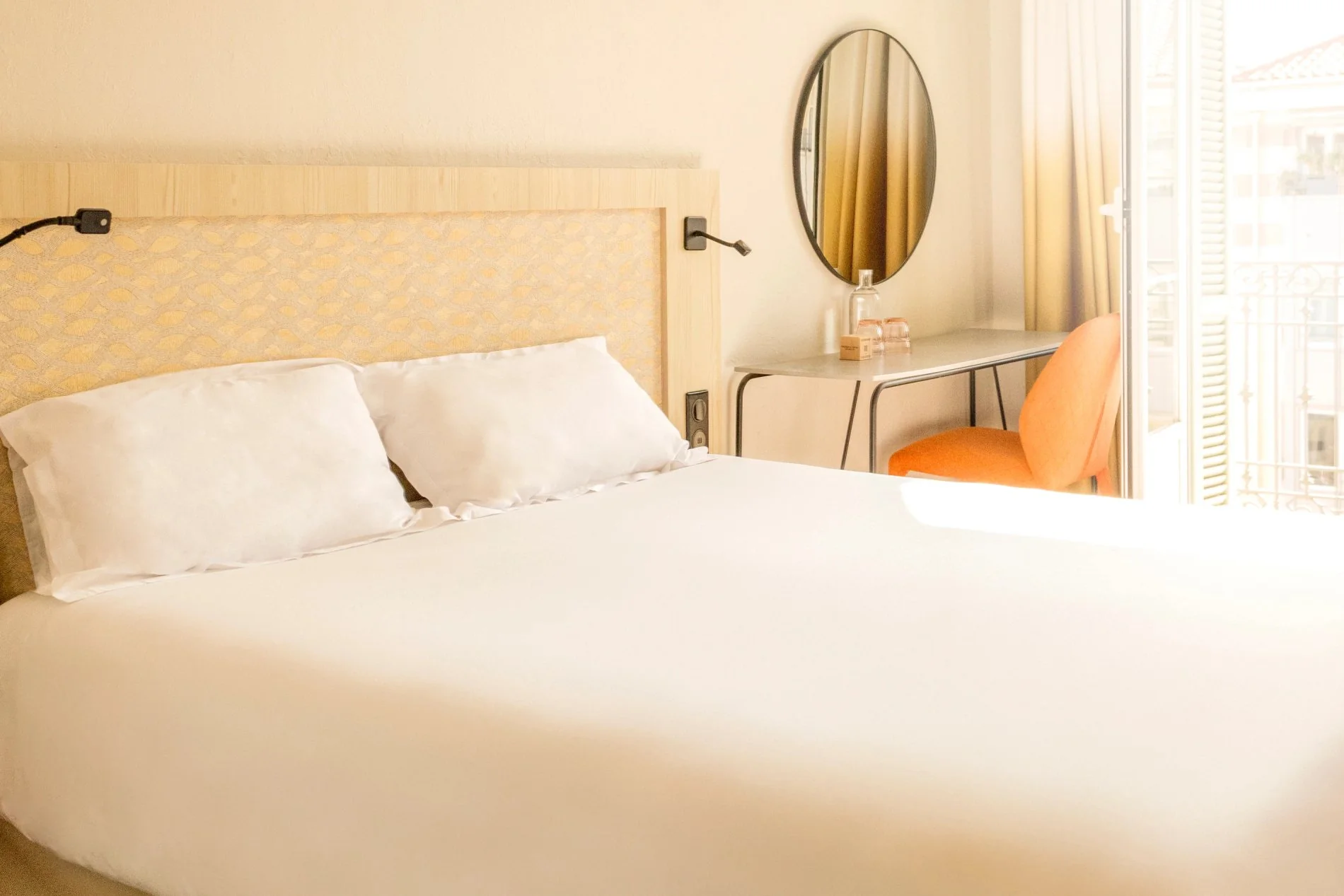
On a two-day stay, location makes all the difference. At 15 Avenue Auber, Hôtel Aria sits a seven-minute walk from the train station, six minutes from Avenue Jean Médecin, five minutes from the beach and ten from the Promenade des Anglais. The shops of Rue de France are a few streets away. Whatever your mode of arrival, train, plane or car, the itinerary described here starts on the doorstep. This three-star boutique hotel in the city centre occupies a Belle Époque building and offers 30 soundproofed, air-conditioned rooms with free wifi, a flat-screen television, a walk-in shower and a Nespresso machine, plus a bottle of water renewed daily.
The choice runs from the double or twin room to the family room, by way of the superior room with balcony and the deluxe room. High chairs, a bottle warmer and a free cot subject to availability make family travel easier. Every morning, the buffet breakfast puts regional producers and French products from sustainable supply chains first, an address run with care, an approach rewarded by the Clef Verte and FairScore labels. The 24-hour reception handles restaurant bookings, airport transfers and private parking nearby, a service that counts when you arrive late on Friday and leave early on Sunday. Pets are welcome, and you can reach the team by phone or email before arrival to prepare your stay in Nice.
Two Days to Fall for Nice
A flower market at first light, a panorama over the bay at midday, a cut-out gouache the next day and an ice cream facing the Mediterranean at sunset: that is what to do in Nice over a weekend, in concrete terms. The town gives itself up quickly, and few cities in France pack so much into a short holiday: two days are enough to explore the essentials and leave you wanting a longer return. Booking directly on our official website gets you the best rate guaranteed, with 12 % off compared with other platforms, which makes Hôtel Aria an easy address to choose.
FAQ - Frequently Asked Questions About a Weekend in Nice
Is two days enough to visit Nice?
Yes. Forty-eight hours covers the must-see sights: the old town, the flower market, Castle Hill, the seafront and Place Masséna on day one, then Cimiez with the Matisse and Chagall collections on day two. Everything is done on foot or by public transport from the city centre.
What are the best things to do in Nice?
The Saleya market and its flower stalls, the streets of the old town and Sainte-Réparate cathedral, Castle Hill for panoramic views over the Baie des Anges, the seafront, the Paillon gardens, Port Lympia and the Cimiez hill. Add a boat tour or a food tour if time allows.
What can you do in Nice when it rains?
The indoor heritage is plentiful: Palais Lascaris, Villa Masséna, the Beaux-Arts Jules Chéret museum, the Charles Nègre photography museum, the Matisse museum and the Marc Chagall National Museum. The MAMAC remains closed for renovation until 2029.
How much should you budget for a weekend in Nice?
The greatest assets of the city are free: the seafront, Castle Hill with its elevator, the old town, the market, the Promenade du Paillon, the harbor and a simple visit to the Russian Orthodox cathedral. Budget mainly for museum tickets, meals and transport. See also our tips on an affordable hotel in Nice.
Where should you stay in Nice for a weekend?
The city centre, between the station and the sea, is the best compromise: everything is walkable, the light rail serves the airport and the train opens onto the whole coast. Read more in our travel guide and our advice on where to stay in Nice according to your travel style.
What can you see around Nice in half a day?
Villefranche sur Mer is ten minutes by train, Saint Jean Cap Ferrat and its footpath a quarter of an hour, Eze village twenty minutes and Monaco under thirty. Menton, Antibes and Cannes are all worth visiting and reachable in an hour or less, along one of the loveliest stretches of the French Riviera, and Saint Paul de Vence sits about forty minutes away by road.
Are the beaches in Nice sandy or pebbly?
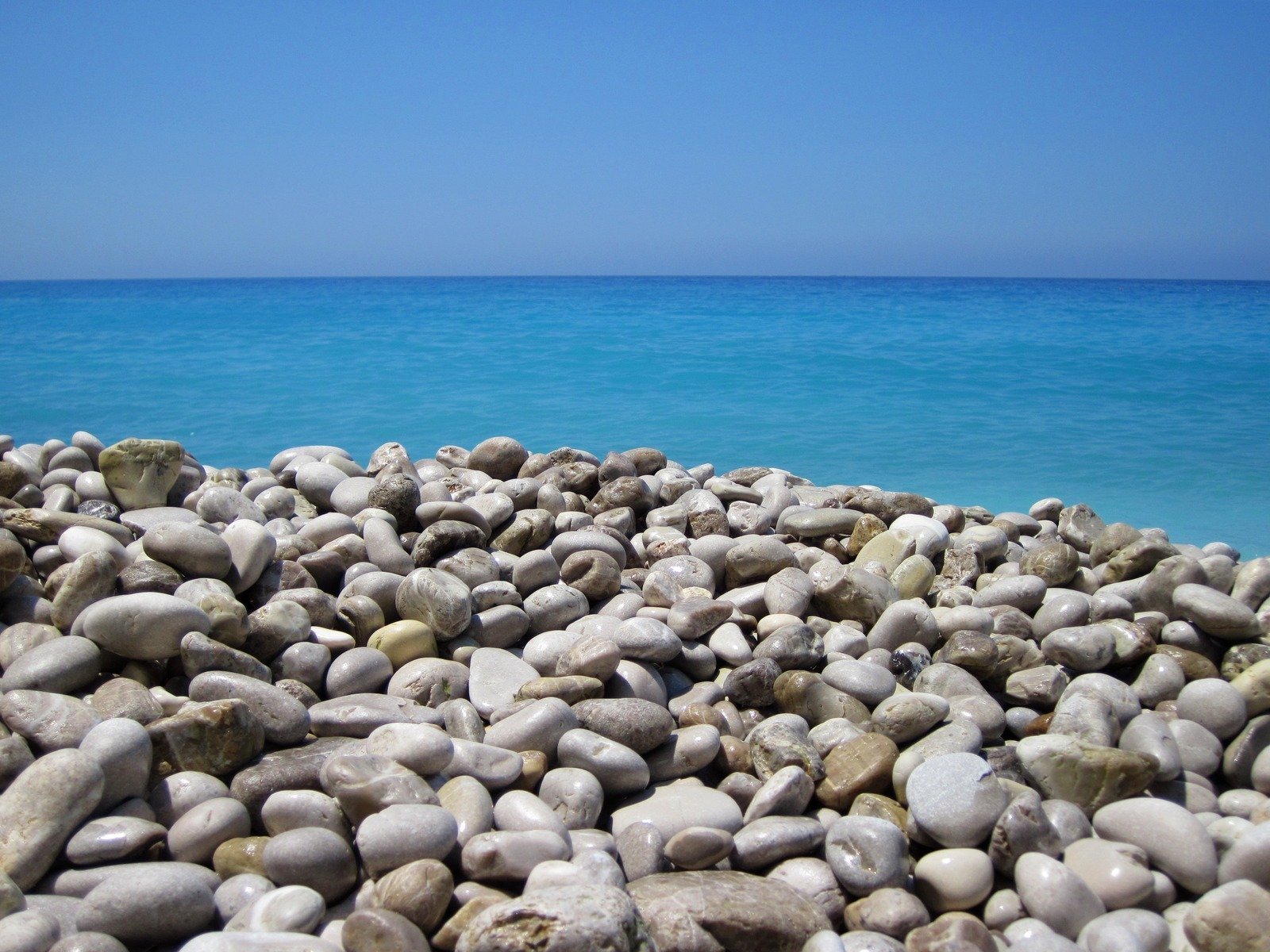
They are pebbly. The beaches of Nice run along the Promenade des Anglais in smooth grey and white stones, with around twenty free public sections and fifteen private beach clubs. For sand, take the train to Villefranche sur Mer, Beaulieu-sur-Mer or Antibes. Water shoes are a good idea either way.
Can you do a day trip to Monaco from Nice?
Easily. The train reaches Monaco Monte Carlo in around twenty-five minutes, with departures throughout the day. Half a day is enough for the palace, the old quarter, the harbor and the casino district. Buses and guided day tours from Nice are also widely available.